Developing a Remote Sensor Firmware using Test Driven Development
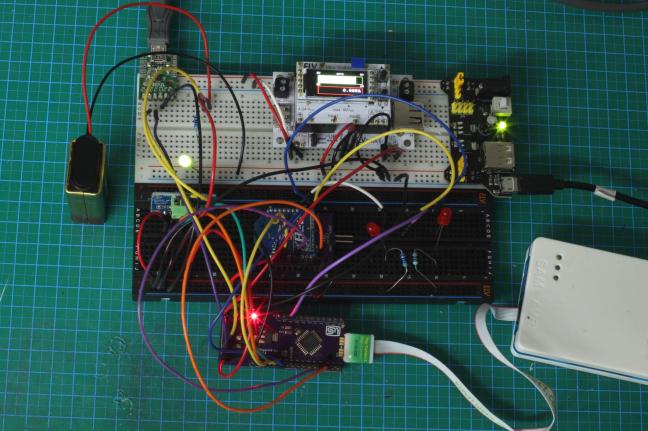
Developing firmware for an embedded remote sensor that needs to adhere to a specific protocol has challenges due to the limited resources and the complexity of the implementation. Experience on a previous project (a remote sensor gateway) demonstrated how Test Driven Development could assist when working on complex systems. This write-up describes the approach used … Continue reading Developing a Remote Sensor Firmware using Test Driven Development
Converting the NeoPixel Driver into a Text Display

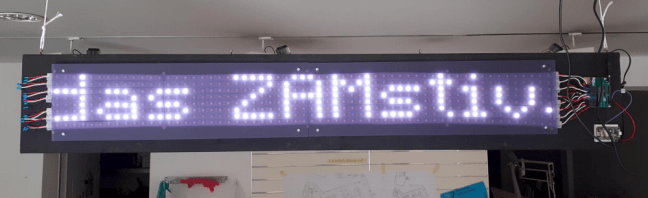
At the local open workshop ZAM, there came a project idea for a text display that is publicly available. After some experimentation with a commercially available unit - that proved to be too cumbersome for public use, we explored creating our own. In this post I describe how I adapted my original NeoPixel driver project … Continue reading Converting the NeoPixel Driver into a Text Display

Trying out the INA219

I have been looking into developing a device to monitor a solar charging unit. This would be a remote sensor and relay the information back to a base to be presented on a user interface. There are a lot of elements to this type of project and one problem I have been thinking about was … Continue reading Trying out the INA219

Expanding the NeoPixel Project

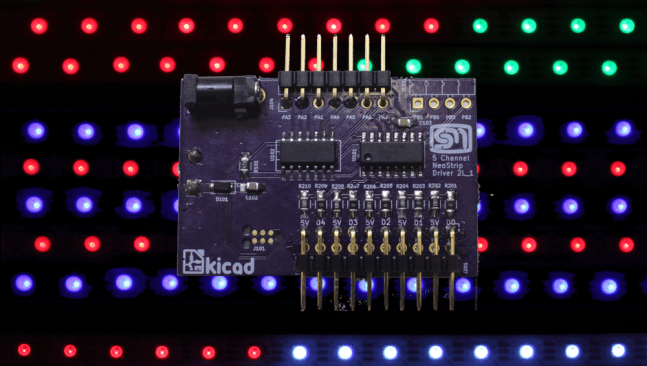
Playing with some animations of the single LEDs strip of my NeoPixel board was nice but the thoughts soon come to mind: “It would look better if there were more strips”, “…if there were more strips, how could they be coordinated”, to “Could I still use the ATiny1614?”. To take this project further, I considered … Continue reading Expanding the NeoPixel Project

Back to Blinky

In this post I describe the trials an tribulations of bringing up my Timed LED Lighting Controller and how I went about implementing my first I²C Slave Driver for the ATTiny20. I was keen to receive the boards for the Timed LED Lighting controller to know if they would fit in the chosen housing. The … Continue reading Back to Blinky

Wired for Action – almost

In the last post, I presented the initial ideas for powering the project. Now it is time to move on and start looking into the individual modules. I was impressed as to how quickly this part progressed since I had done the up-front thinking of the pin and port allocation. So much so, that before … Continue reading Wired for Action – almost