Wrapping up the Remote Power Sensor

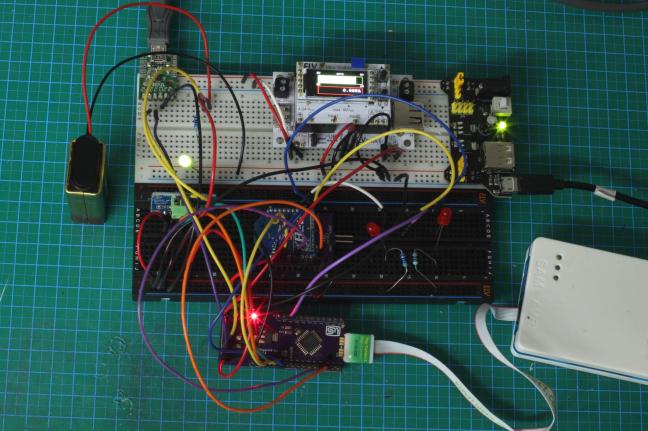
In this post I bring together three previous projects into a finished solar-powered wireless sensor network for the garden shed — gateway, end node, and battery monitor, talking over XBee. It's a long one, covering the design decisions and lessons learned, plus a technique I picked up from a KiCon 2024 talk: using KiCad to … Continue reading Wrapping up the Remote Power Sensor

Developing a Remote Sensor Firmware using Test Driven Development

Developing firmware for an embedded remote sensor that needs to adhere to a specific protocol has challenges due to the limited resources and the complexity of the implementation. Experience on a previous project (a remote sensor gateway) demonstrated how Test Driven Development could assist when working on complex systems. This write-up describes the approach used … Continue reading Developing a Remote Sensor Firmware using Test Driven Development

Converting the NeoPixel Driver into a Text Display

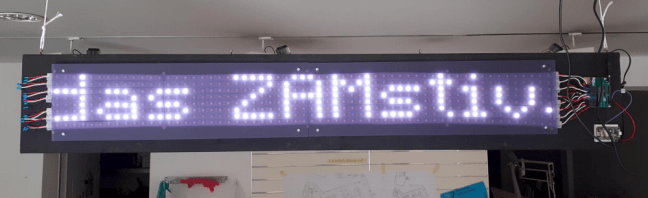
At the local open workshop ZAM, there came a project idea for a text display that is publicly available. After some experimentation with a commercially available unit - that proved to be too cumbersome for public use, we explored creating our own. In this post I describe how I adapted my original NeoPixel driver project … Continue reading Converting the NeoPixel Driver into a Text Display

Expanding the NeoPixel Project

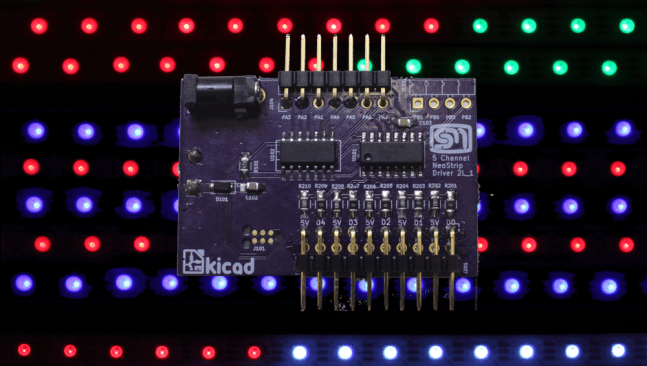
Playing with some animations of the single LEDs strip of my NeoPixel board was nice but the thoughts soon come to mind: “It would look better if there were more strips”, “…if there were more strips, how could they be coordinated”, to “Could I still use the ATiny1614?”. To take this project further, I considered … Continue reading Expanding the NeoPixel Project

Back to Blinky

In this post I describe the trials an tribulations of bringing up my Timed LED Lighting Controller and how I went about implementing my first I²C Slave Driver for the ATTiny20. I was keen to receive the boards for the Timed LED Lighting controller to know if they would fit in the chosen housing. The … Continue reading Back to Blinky

Wired for Action – almost

In the last post, I presented the initial ideas for powering the project. Now it is time to move on and start looking into the individual modules. I was impressed as to how quickly this part progressed since I had done the up-front thinking of the pin and port allocation. So much so, that before … Continue reading Wired for Action – almost